Helene Recovery

Helene Recovery
Riverbank Stabilization and Riparian Forest Restoration
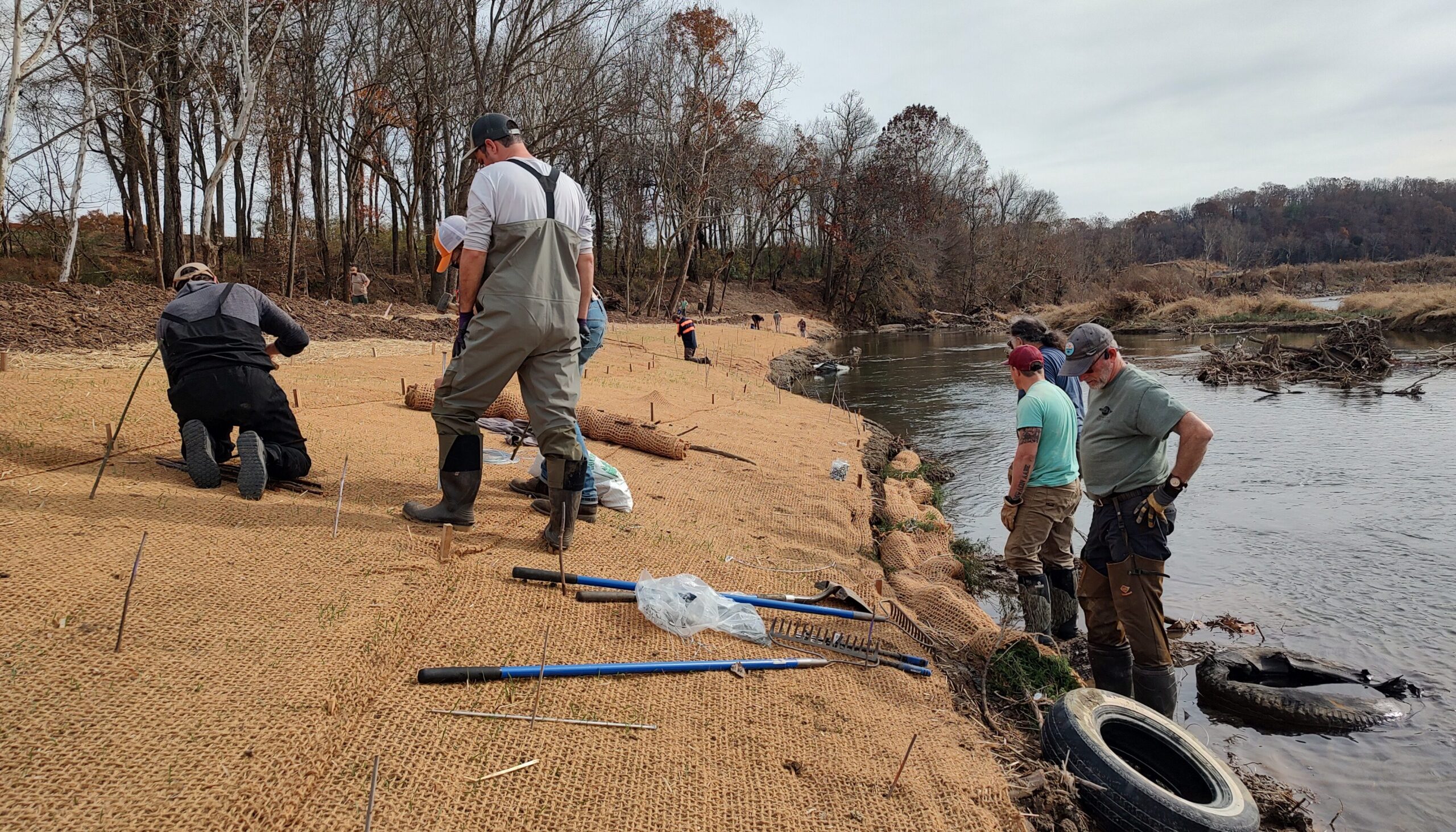
A team of people working on a creekbank

The remnants of Hurricane Helene caused devastating flooding in Northeast Tennessee and Western North Carolina in Fall 2024. The scars of the event are still evident throughout the landscapes of the Nolichucky, French Broad, and other watersheds of the region.

These resources are collected to provide assistance and support to affected communities and address the unique conditions that resulted due to the large scale of the event.

Recovery Resources

Tennessee Department of Agriculture

Tennessee Department of Transportation

Over three days, Helene dumped up to 30 inches of rain in the mountains of Western North Carolina, which drain to rivers that flow into East Tennessee. Those rivers swelled to levels not seen in over 100 years, and in some areas, record levels.

Mountainous terrain and saturated landscapes due to a predecessor event created high rates of runoff, contributing to the significant river swelling. As that water flowed out of the mountains and onto flatter land, the river spread wide, affecting significant areas of river front land.

Floodwaters reeked havoc on riverbanks, floodplains, and beyond. Ecologically speaking, the event was a natural reset, stripping mature forest, soil, and farmland down to cobblestone in some places, and in other places, depositing feet of sand and silt.

The conditions left behind from the event pose unique challenges and require unique solutions to help nature heal the land and waterways.

The Tennessee Stream Team is a passionate community of volunteers that have dedicated their time to learning about nature based riverbank restoration and implementing projects.

Partners:

Collection of partner logos