Tennessee Creekbank Protection and Repair

Tennessee Creekbank Protection and Repair

Tennessee’s waterways are being impacted by increased extreme weather and a high rate of farmland and forest conversion to development. These conditions lead to loss of land, water quality issues, impacts to recreational use and aesthetics, and degraded wildlife habitat.

Our goal is Creekbank Protection and Repair – it’s CPR for Tennessee streams – to protect land and water quality and conserve Tennessee’s natural resources.

This is a collection of resources for landowners, land managers, designers, and community decision makers interested in a nature-based approach to addressing riverbank and creekbank erosion. These techniques can repair erosion and restore healthy streamside riparian vegetation.
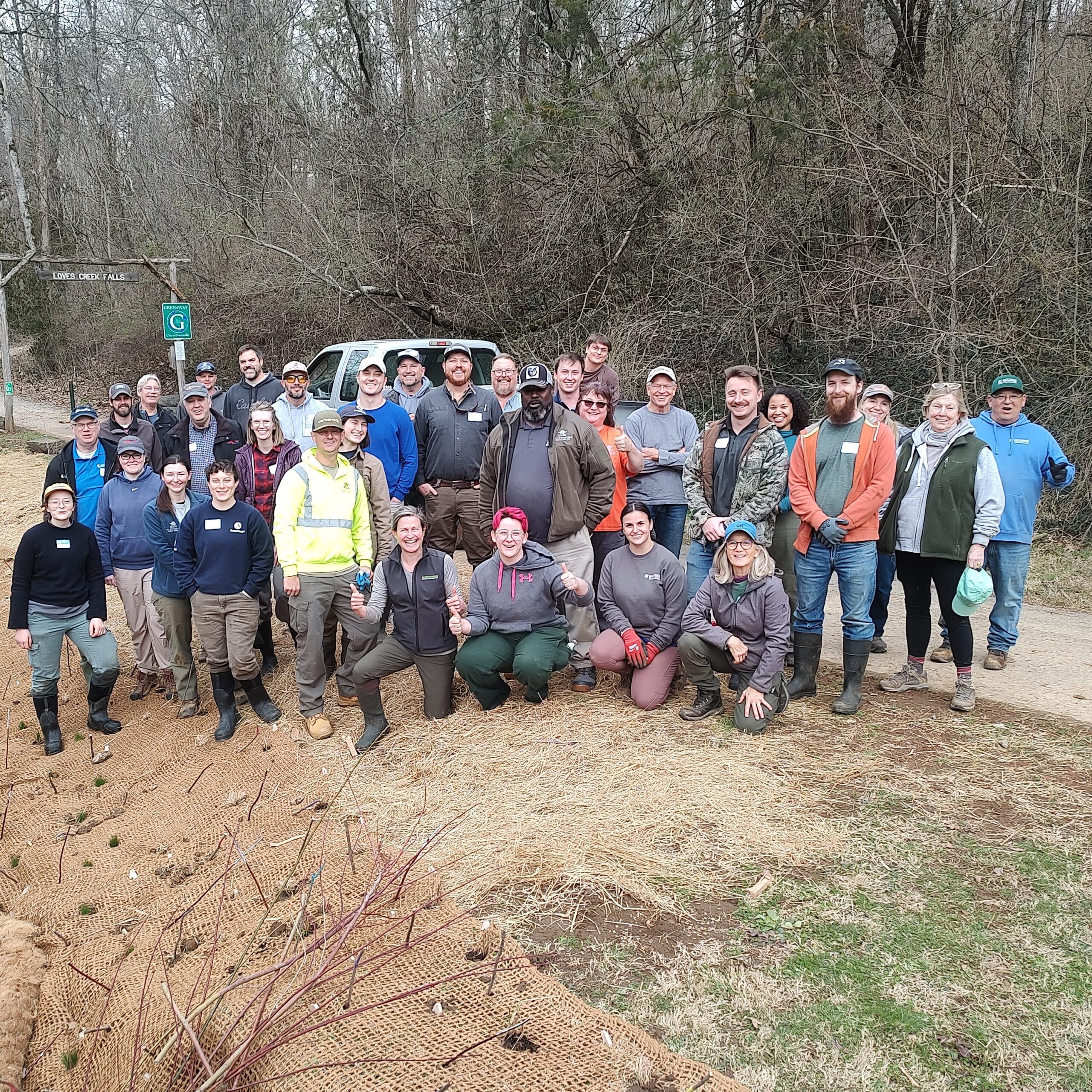
Workshop participants pose along a streambank project site
Workshops
Expand content up
Find a workshop or propose one for your community
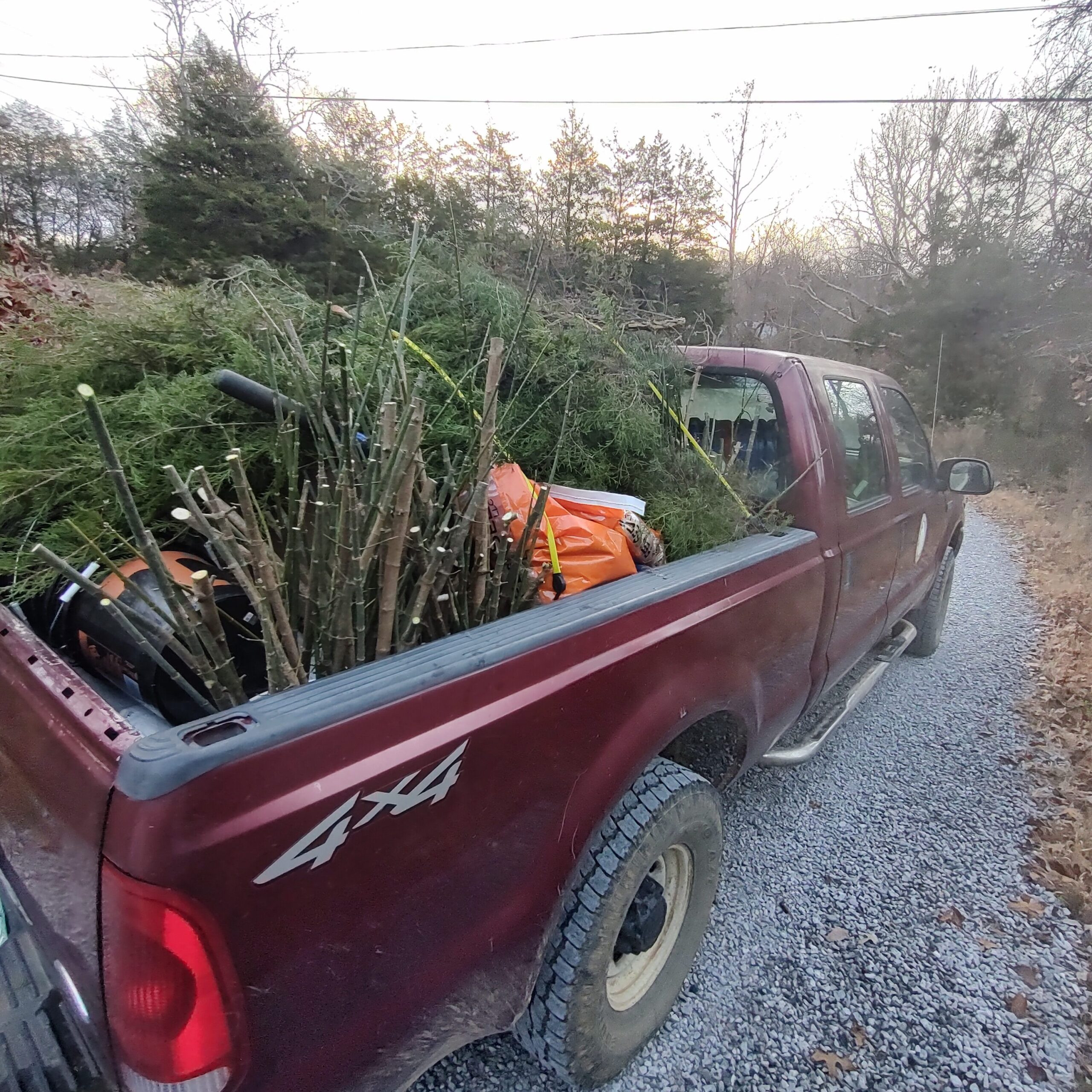
A truck bed full of tools and vegetation cuttings
Resources
Expand content up
Access educational content and project support resources
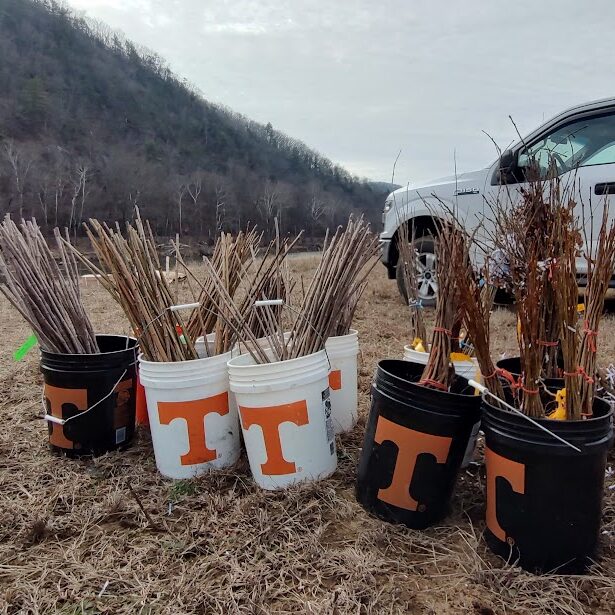
Buckets of live cuttings with river in background
Material Sourcing
Expand content up
Find vendors for materials for projects

FAQs

Creekbank repair is the practice of restoring stability and functions to an eroded or damaged creekbank and the adjacent riparian area using natural vegetation, bioengineering, structural approaches, or a combination of techniques.

A healthy creekbank is a living, dynamic system that is in harmony with surrounding landscape and ecosystem. It has stable soil, a gradually sloping face, a variety of vegetation types, woody debris, root wads, natural meandering contours, and wide strip of dense growth along its upper edge, all working together to provide stability and natural beauty.

An ailing creekbank poses risks to land integrity, water quality, wildlife, and potentially human health. Symptoms include exposed soil, void of vegetation, steep cuts, and lack of natural meanders. These symptoms are signs of issues that may grow if action is not taken.

Sediment is a leading cause of water quality degradation, and eroding banks can be a significant source of sediment. Find out more about the health of your local waterway with EPA’s How’s My Waterway?

Erosion is a natural process in the landscape. However, changing land cover and climate conditions can lead to more runoff and increased energy carried in stream channels that results in erosion, risks to infrastructure, unpleasant aesthetics, and environmental damage.

A stable bank has characteristics that provide enough resistance and dissipation of the energy of the flow it carries. Natural resistance features include meandering stream patterns, course woody debris, lush bank vegetation, and native stone or other substrates. Creekbank repair aims to use simple, low-tech strategies that rely on nature-based processes to restore harmony to streams.

There are a range of interventions that can be used to repair damaged reaches, stabilize erosion, and restore natural functions of streambanks. It may be as easy as creating a “no-mow” zone and allowing natural vegetation to grow, or the solution may involve a more engineered approach. Resources on this site will help diagnose the issue and identify an appropriate solution.

Project Spotlight

Loves Creek flows through Spring Place Park in Knox County, TN. It is a community amenity, but it is also impaired by poor water quality and lack of streamside vegetation. Knox County Engineering and Public Works has been working with partners for over three years to repair eroding banks and restore the ecosystem.

Questions about creekbank repair and riparian restoration? Contact your County Extension Office or your local municipal stormwater program.